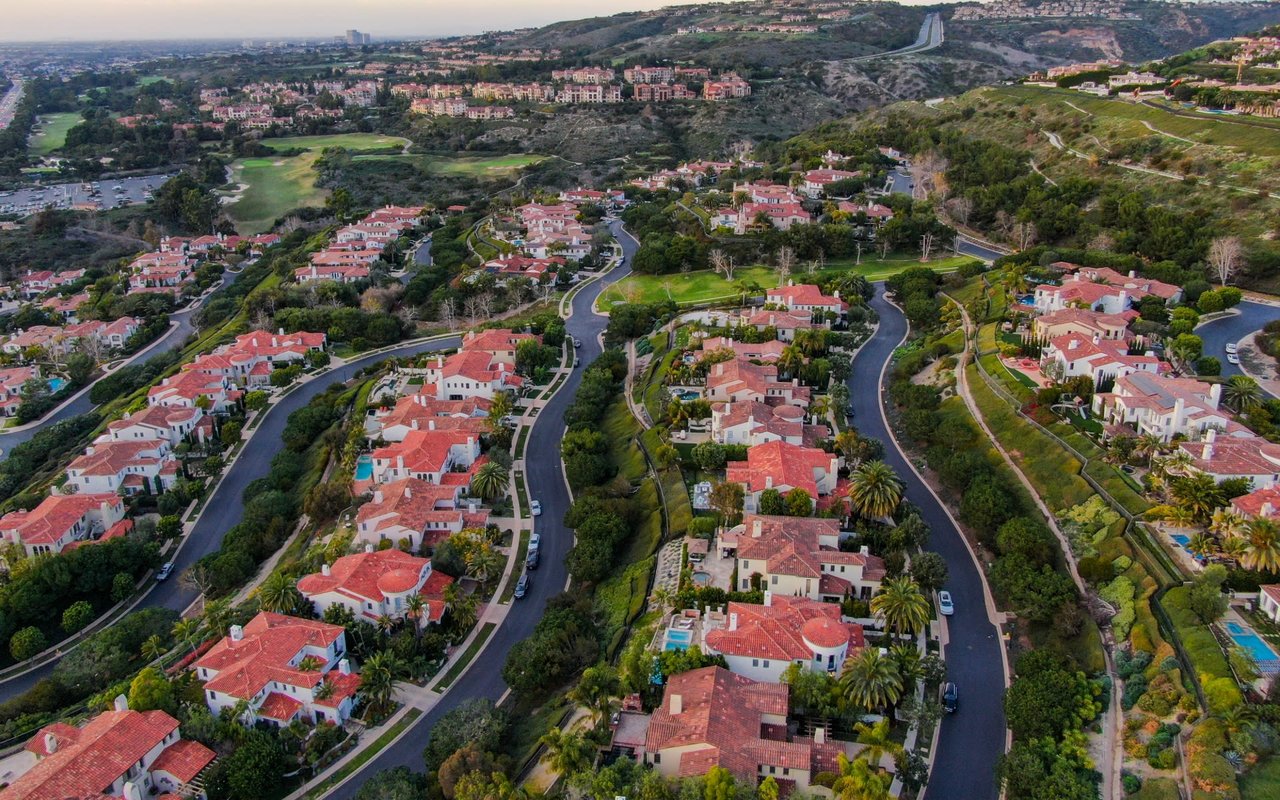
California’s AB 38 requires defensible space compliance documentation or, where applicable, a written agreement between the buyer and seller for covered sales in High or Very High Fire Hazard Severity Zones. Proposed Zone 0 regulations would establish an ember-resistant zone within five feet of a home. These statewide regulations are not yet in effect, but existing defensible space requirements and local rules still apply. We recommend including information about the pending Zone 0 regulations in the disclosure materials and advising buyers to investigate current and proposed defensible space requirements with the appropriate fire authority.
What do California's proposed Zone 0 rules mean for sellers in High and Very High Fire Hazard Severity Zones?
California’s proposed Zone 0 regulations would establish an ember-resistant zone within five feet of a home, with vegetation-free areas around vulnerable building features and limited planting elsewhere. The statewide regulations are not yet in effect. AB 38 already requires defensible space compliance documentation or, where applicable, a written agreement between the buyer and seller stating that the buyer will obtain the required documentation within one year after closing. The pending statewide Zone 0 regulations do not currently require sellers to make changes before selling, but existing defensible space requirements and local rules still apply. Once the regulations take effect, existing homes would follow a phased schedule, with some requirements applying immediately, others within three years, and certain changes allowed up to five years, depending on the applicable timeline. We recommend including information about the pending Zone 0 regulations in the disclosure materials and advising buyers to investigate current and proposed defensible space requirements with the appropriate fire authority, including how those requirements may affect the home. For many fire-zone sales, securing the buyer’s insurance remains a key consideration.
Key Takeaways
- AB 38 has required sellers in California High or Very High Fire Hazard Severity Zones to provide defensible space documentation at the point of sale since July 1, 2021, under California Civil Code §1102.19 and Public Resources Code §4291.
- Zone 0 is the first zero to five feet from a home's exterior wall, roof, attached deck, stairs, or pergola, and under the proposed rules, it would have to be largely free of combustibles like bark mulch, woodpiles, and flammable plants.
- The California Board of Forestry and Fire Protection approved Zone 0 regulations under AB 3074 on August 19, 2026, and filed them with the Office of Administrative Law, then withdrew the filing on September 8, before the review was complete. As of October 2026, they have not been refiled and there is no statewide effective date.
- Where California Civil Code §1102.19(a)(2) applies, sellers must provide defensible space compliance documentation obtained within the six months preceding the sales contract. Local documentation requirements govern where applicable. OCFA states that its compliance documentation is valid for six months from the inspection date. If the seller has not obtained the required documentation, the buyer and seller must enter into a written agreement addressing the buyer’s responsibility to obtain it after closing.
- Lenders' main concern in fire zones is that the home is insurable. Coverage through the California FAIR Plan can take longer to arrange, so buyers should get insurance quotes as soon as possible after opening escrow. Without the required coverage, closing can be delayed or the transaction may fall through.
- Recent single-family sales show a median sale price of $1,302,500 in Trabuco Canyon and $2,062,000 in Coto de Caza, communities where fire zone compliance directly affects marketability, buyer confidence, and insurance availability. In Las Flores, only two single-family homes sold in the last 90 days as the rate lock-in effect returns.
What are AB 38 and Zone 0, and how do they affect a home sale in Orange County?
If your home sits inside a mapped High or Very High Fire Hazard Severity Zone (VHFHSZ), you have legal obligations at the point of sale that go beyond a standard disclosure packet. Two overlapping frameworks shape what you need to do.
AB 38: the existing point-of-sale rule
California Assembly Bill 38 took effect July 1, 2021. It requires sellers of 1-4 unit residential properties, condominiums, and manufactured homes in High or Very High Fire Hazard Severity Zones to provide buyers with documentation proving defensible space compliance, as codified in California Civil Code §1102.19 and Public Resources Code §4291. Sellers also complete the California Association of REALTORS® Fire Hardening and Defensible Space (FHDS) form. Its defensible space section applies to covered sales in High or Very High zones and records which side, buyer or seller, will obtain compliance. Its fire-hardening section, which asks about vulnerabilities like vents, roofing, windows, and combustible materials within five feet of the home, plus any low-cost retrofits completed, applies only to homes built before January 1, 2010.
Here is how the documentation requirement works in practice, per AB 38 guidance:
- If your local jurisdiction has a vegetation management or defensible space ordinance, you provide documentation satisfying that ordinance.
- If the local jurisdiction has no ordinance requiring defensible space compliance documentation, but a qualifying agency or nonprofit provides inspections and documentation, the seller must provide compliance documentation obtained within the six months preceding the sales contract. If the seller has not obtained that documentation, the applicable written agreement between the buyer and seller is required.
- If you are selling and have not obtained the required defensible space compliance documentation before closing, you and the buyer must enter into a written agreement stating that the buyer will obtain it within one year after the close of escrow. This option is also available when an inspection program exists.
The first step for any Orange County seller in a fire-prone area is confirming the home’s fire hazard zone designation. We obtain a Natural Hazard Disclosure report through MyNHD before discussing a list price. That report helps identify the home’s mapped hazards and applicable disclosure requirements. We then confirm any defensible space inspection requirements with the appropriate fire authority.
Zone 0: the emerging five-foot standard
Zone 0 is the first zero to five feet from your home's exterior wall, roof edge, attached deck, stairs, or pergola, or to the property line if it falls closer. Under the regulations, the California Board of Forestry and Fire Protection approved under AB 3074, this strip would have to be largely free of combustible materials. Think gravel, pavers, concrete, or bare soil instead of bark mulch, wood chips, or flammable plants pressed against the foundation.
To see what an ember-resistant zone looks like in practice, our earlier post, Zone 0: The Ember-Resistant Zone Every California Homeowner Should Know, has illustrations and practical steps. Cal Fire's Zone 0 defensible space demonstration video compares an ember-resistant home with a standard one.
The Board approved the regulations on August 19, 2026, and filed them with the Office of Administrative Law on August 28. On September 8, before that review finished, the Board withdrew the filing. As of October 2026, the regulations have not been refiled, and there is no statewide effective date.
Where the rules would apply also matters. In State Responsibility Areas, where Cal Fire is responsible for wildfire protection, they would cover every parcel, whatever its hazard rating. In Local Responsibility Areas, which are protected by city or county fire agencies, they would cover only Very High Fire Hazard Severity Zones. AB 38's disclosure requirements, by contrast, apply in both High and Very High zones.
The practical takeaway for sellers: the pending statewide Zone 0 regulations do not currently require changes to the first five feet before selling. However, existing defensible space requirements and any stricter local rules still apply. Confirm your home’s current requirements with your local fire authority before deciding what work is needed. The statewide regulations are not yet in effect. The regulations the Board approved in August 2026 describe a phased compliance schedule for existing homes, with some maintenance requirements applying immediately, other changes required within three years, and certain landscaping, fencing, and related changes allowed up to five years, depending on the applicable timeline. One easy exception worth doing now is swapping bark mulch or wood chips near the home for gravel, pavers, or bare soil. We recommend including information about the pending Zone 0 regulations in the disclosure materials and advising buyers to investigate current and proposed defensible space requirements with the appropriate fire authority. The FHDS form already asks sellers of homes built before 2010 about combustible landscaping and materials within five feet of the home, so it's a natural place for the topic to come up.
What sellers in Orange County fire zones need to do before listing
Confirm your fire hazard zone designation
Not every Orange County address triggers AB 38. Foothill and canyon communities such as Las Flores, Trabuco Canyon, Wagon Wheel, Rancho Mission Viejo, Coto de Caza, Monarch Summit I and II in Laguna Niguel, and Rancho Santa Margarita include areas mapped as High or Very High Fire Hazard Severity Zones. Requirements depend on the home’s specific designation, the transaction, and applicable local rules. We review the Natural Hazard Disclosure report and confirm requirements with the appropriate fire authority.
Take care of existing defensible space requirements
AB 38 compliance is two-part: physical work and transactional paperwork. The physical side covers the defensible space rules already in effect, which means:
- Clearing dead plants, dry leaves, and debris from the roof, gutters, and around the home.
- Moving stored firewood and lumber stacks away from the home.
- Cutting back shrubs and tree branches so they don't overhang roofs or act as ladder fuels connecting ground vegetation to tree canopies.
- Maintaining vegetation out to 100 feet from structures as required under Public Resources Code §4291.
The full Zone 0 requirements aren't in effect yet, but one easy safety fix is worth doing now, required or not: replace bark mulch or wood chips within five feet of the home with gravel, pavers, or bare soil. It doesn't require ripping out plants or other vegetation. Basic defensible space clean-up before listing helps the home show better and makes the buyer’s inspection after closing easier.
Get the inspection and paperwork in order
Where the six-month documentation rule applies, the inspection must have been completed within the six months preceding the sales contract. Local documentation requirements govern where applicable. Some local jurisdictions require a city or county fire department inspection specifically; others accept Cal Fire, the local fire authority, or a qualified nonprofit inspection. In Orange County, many hill and canyon communities work through the Orange County Fire Authority (OCFA) for pre-sale defensible space inspections. OCFA inspections are free, and a passing report is valid for six months from the inspection date. Some cities, including Newport Beach, Laguna Beach, and Orange, have their own fire departments and handle inspections themselves. We'll walk you through which office handles your area, typical lead times, and whether the report goes directly to escrow or must be provided by you.
If you have an older inspection on file, confirm whether it falls within the six-month window. If it doesn't, you'll need a new one or a written agreement with the buyer for post-closing compliance. Neither path is a deal-killer, but both need to be planned for, not discovered in escrow.
Highlight fire-hardening upgrades in your marketing
Homes with completed fire-hardening improvements (ember-resistant vents, Class A roofing, dual-pane windows, noncombustible Zone 0 landscaping) have a real marketing advantage in fire-zone communities. Buyers shopping in these areas are insurance-aware, and a passed defensible space inspection combined with documented upgrades signals lower risk to both buyers and their carriers. We include that documentation in our listing materials, not buried in the disclosure packet.
How Zone 0 and AB 38 shape negotiations and closing
When a pre-sale inspection uncovers noncompliance, the transaction doesn't have to fall apart, but it does require a clear plan. Under AB 38, there are two main paths: the seller corrects the deficiencies before close of escrow (with a re-inspection to confirm), or the buyer assumes responsibility via a written agreement to bring the property into compliance within one year after closing. Which side pays for corrections is negotiable. The statute doesn't dictate it. Market conditions, the scope of the work, and buyer leverage all factor in.
Insurance is part of this equation too. The California Department of Insurance's Safer from Wildfires framework lists home upgrades that can qualify for insurance discounts, including a Class A roof, ember-resistant vents, a five-foot ember-resistant zone around the home, and defensible space compliance. California’s insurance regulations require insurers subject to these rules to recognize specified wildfire mitigation measures in their rates. Buyers should ask which discounts apply (if any), what documentation is required, and how much they could save. Discounts do not guarantee that an insurer will offer coverage.
On the loan side, local lenders confirm that in fire zones, it's about getting insurance, not about clearing Zone 0 before a sale. Lenders want to know the home is insurable. In high fire zones, most of our buyers have covered fire through the California FAIR Plan and bought a separate policy for everything else, often called a wraparound or difference-in-conditions policy. The FAIR Plan can take longer to arrange than a standard policy, so buyers should get insurance quotes as soon as possible after opening escrow.
That's why insurance is one of the first things we ask the buyer's agent about once we're in escrow on a listing. When we represent buyers, getting insurance quotes is one of the very first tasks on the escrow timeline we prepare for them. Working with local insurance brokers who know fire-zone homes, our buyers, and the buyers of homes we've sold, have found coverage without delays to closing. If you're buying or selling in a fire zone, we're happy to share the names of brokers our clients have used.
For context on how fire-zone properties are moving across the areas where these rules apply most, here is recent market data from communities in and around Orange County's wildland-urban interface:
Area | Median Sale Price (Single-Family) | Median Days on Market | Homes Sold |
|---|---|---|---|
Las Flores | $1,345,000 | 17 | 2 |
Coto de Caza | $2,062,000 | 29 | 36 |
Dana Point | $2,405,000 | 22 | 60 |
Monarch Summit I & II | $1,432,500 | 6 | 4 |
Newport Coast | $8,650,000 | 15 | 20 |
Rancho Mission Viejo | $1,485,000 | 45 | 40 |
Rancho Santa Margarita | $1,382,500 | 14 | 60 |
Trabuco Canyon | $1,302,500 | 67 | 14 |
Wagon Wheel | $1,285,000 | 95 | 5 |
Source: Single-family home sales from aggregated CRMLS listing data, trailing approximately 90 days as of October 2026. Area-level medians; individual home values vary by size, condition, street, build year, and timing. Medians based on a small number of sales can swing widely.
Las Flores stands out for a different reason: only two single-family homes sold there in the last 90 days, both mid-size, so its median says more about those two homes than about the neighborhood as a whole. The rate lock-in effect is back, with many owners holding on to the low mortgage rates they already have instead of selling, and we're feeling it in Las Flores. With so few homes coming to market, a well-prepared listing gets noticed.
Most of these communities are selling in under a week to seven weeks, while Trabuco Canyon and Wagon Wheel are taking longer, at 67 and 95 days. When homes sell quickly, there's little time to schedule a defensible space inspection or line up insurance once you're in escrow. Pricing with accurate data from day one and arriving at market with your fire-zone paperwork complete keep your sale on track. For a deeper look at how the broader market is performing, see our August 2026 Orange County market update.
Your specific situation depends on your parcel's designation, your local fire authority's inspection program, the condition of your landscaping, and any home-hardening upgrades already in place. That's exactly the kind of detail we work through with sellers before we ever put a sign in the yard.
If you're thinking about selling in any Orange County fire-zone community, reach out to us to determine how your neighborhood is positioned heading into a sale.
Readers who want to check whether their parcel falls inside a mapped fire hazard zone can start with the Cal Fire FHSZ viewer or reach out to us directly. We'll pull the overlay for your address.
If you'd like to read what other sellers and buyers have said about working with us, our reviews are on Google, Zillow, and Realtor.com.
Frequently Asked Questions
What exactly is Zone 0, and how does it affect selling a home in a high fire zone?
Zone 0 is the first zero to five feet from your home's exterior wall, roof edge, attached deck, stairs, or pergola. Under the proposed rules, it would have to be largely free of combustible materials like bark mulch, wood chips, potted plants touching the structure, and stored firewood. The California Board of Forestry and Fire Protection approved Zone 0 regulations under AB 3074 in August 2026, but withdrew them from the state review on September 8. As of October 2026, there is no statewide effective date. Even before the rules take effect, the FHDS disclosure form asks sellers of homes built before 2010 whether there is combustible landscaping or other material within five feet of the home, so the first five feet can already come up in a sale. At this time, the pending statewide Zone 0 regulations do not require sellers to make changes before selling. Existing defensible space requirements and local rules still apply. We recommend discussing the pending regulations with buyers while completing all required disclosures.
What does AB 38 require me to disclose when selling in a high fire hazard zone? Is a defensible space inspection mandatory?
Under AB 38, sellers of 1-4 unit residential properties in High or Very High Fire Hazard Severity Zones must provide buyers with documentation of defensible space compliance at the point of sale, plus a completed Fire Hardening and Defensible Space (FHDS) form. The form's fire-hardening questions apply only to homes built before January 1, 2010. If your local jurisdiction has a vegetation management ordinance that requires documentation, you provide documentation that satisfies it. If not, a report from a qualified inspection completed within six months before entering the sales contract generally satisfies the requirement. An inspection itself isn't strictly mandatory: if you don't obtain the documentation, you and the buyer must sign a written agreement for the buyer to obtain it, typically within one year after closing.
If I don't have a recent defensible space inspection, can I still list my home, or will that delay closing?
You can list without a current inspection, but the gap will need to be resolved before or at closing. Where the six-month documentation rule applies, the inspection must have been completed within the six months preceding the sales contract. Local documentation requirements govern where applicable. If yours is older, you'll need a new inspection or a written agreement with the buyer for post-closing compliance. In OCFA's service area, the inspection is free. Many sellers choose the written agreement, so the buyer obtains compliance after closing.
Who is responsible for correcting fire hardening and defensible space issues: the seller before closing or the buyer after?
Either path is possible under AB 38, and which side handles it is negotiable, not dictated by statute. The seller can correct deficiencies before the close of escrow and obtain a re-inspection confirming compliance, or the buyer can accept responsibility through a written agreement to bring the property into compliance within one year after closing, as AB 38 permits. Market conditions, the scope and cost of the work, and buyer leverage all influence how that negotiation plays out. This is exactly the kind of situation where having an experienced local agent in your corner matters.
Are Zone 0 and AB 38 requirements different for new construction versus older homes?
Yes. Under the proposed Zone 0 regulations, new construction would need to comply when the regulations take effect. Existing homes would follow a phased schedule, with some maintenance requirements applying immediately, other changes required within three years, and certain landscaping, fencing, and related changes allowed up to five years, depending on the applicable timeline. The statewide regulations are not yet in effect. AB 38 has a separate distinction based on the home’s age. For covered sales in High or Very High Fire Hazard Severity Zones, homes built before January 1, 2010, require additional fire-hardening disclosures. Newer homes are not subject to those older-home disclosure questions, but applicable defensible space documentation requirements still apply.
Senator Blakespear's webinar on wildfire preparedness and insurance, October 13
For a closer look at Zone 0 and the insurance side of living in a fire zone, California State Senator Catherine S. Blakespear (Senate District 38) is hosting a webinar with the California Department of Insurance on Tuesday, October 13, 2026, from 4:00 to 5:00 PM. Topics include:
- Practical steps for Fire Safe Council recognition
- Key home mitigation strategies, including Zone Zero
- Affordable ways to strengthen defensible space
- Current insurance market and coverage updates
Speakers include Senator Blakespear, Yolanda Diaz from the California Department of Insurance, Juan Huerta from the Orange County Fire Authority, and Morgan Dioli from the Fire Safe Council of San Diego County. Register at qrco.de/101326.
The bottom line for Orange County fire-zone sellers
AB 38 is already in effect, while statewide Zone 0 regulations remain pending. The pending regulations do not currently require changes before selling, but existing defensible space requirements and local rules still apply. Sellers and agents should disclose known material information about pending Zone 0 regulations that may affect the home, clearly distinguish proposed requirements from current rules, and advise buyers to investigate applicability and potential compliance costs with the appropriate fire authority. Deciding up front who will handle the defensible space inspection before you list, and making sure your buyer starts on insurance right away in escrow, are the two most effective ways to protect your timeline and your negotiating position.
We work with sellers in Las Flores, Trabuco Canyon, Rancho Mission Viejo, Coto de Caza, Monarch Summit I and II, and throughout Orange County's wildland-urban interface communities. If you want to know exactly what your property will need before it goes to market, let's start there. See what's possible, or let's connect and talk through your specific situation.
About Kristina Nagel
Kristina Nagel is a California REALTOR® and Seniors Real Estate Specialist® (SRES®) with Berkshire Hathaway HomeServices California Properties. Licensed since 2017, she has closed over $25 million in residential sales, ranked #1 in seller-side representation in Las Flores in 2025 (CRMLS), placed Top 50 in Production and Transactions for Orange County in 2025 and again for January through June 2026, earned the 2025 Leading Edge Society award (Top 11% globally) within Berkshire Hathaway HomeServices, and is RealTrends Verified for 2026.
Berkshire Hathaway HomeServices California Properties (949) 482-0073
Equal Housing Opportunity. Kristina Nagel, Pickford Real Estate Inc | DRE 01317331, regulated by the California Department of Real Estate (DRE). This article is general information only and does not constitute legal, tax, or financial advice. Confirm your specific obligations and costs with your escrow officer, tax advisor, or legal counsel.